
Technological Choices beyond Tech
The "clashes" in the world of Tech over technology choices are nothing new: I have known them all my life, and they undoubtedly predate my birth.
I think I was extraordinarily lucky to be born at a time that let me experience that era, when the consumer computing of tomorrow was being built and when platforms were legion, offering an incredible variety of choices to new users.
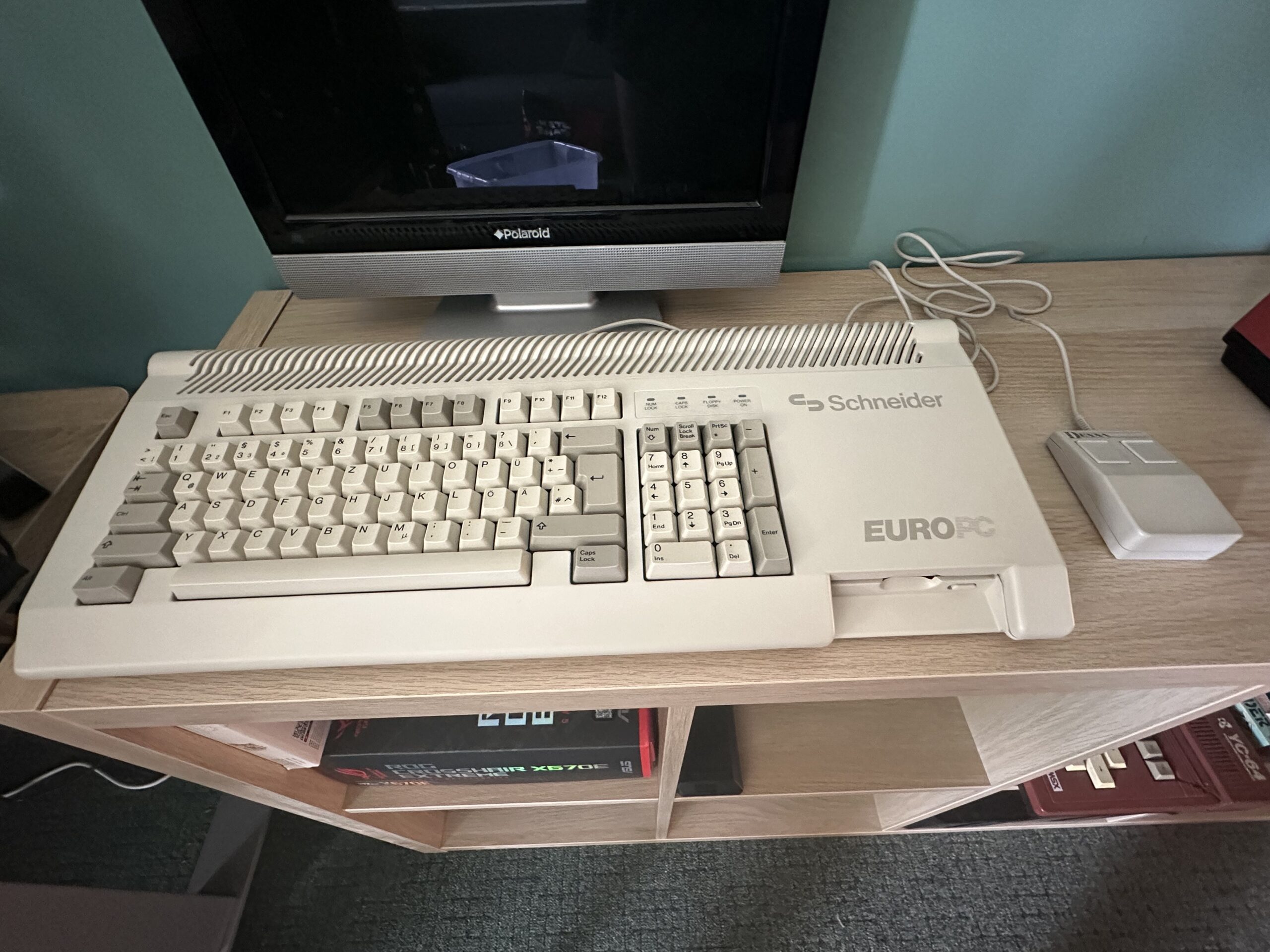
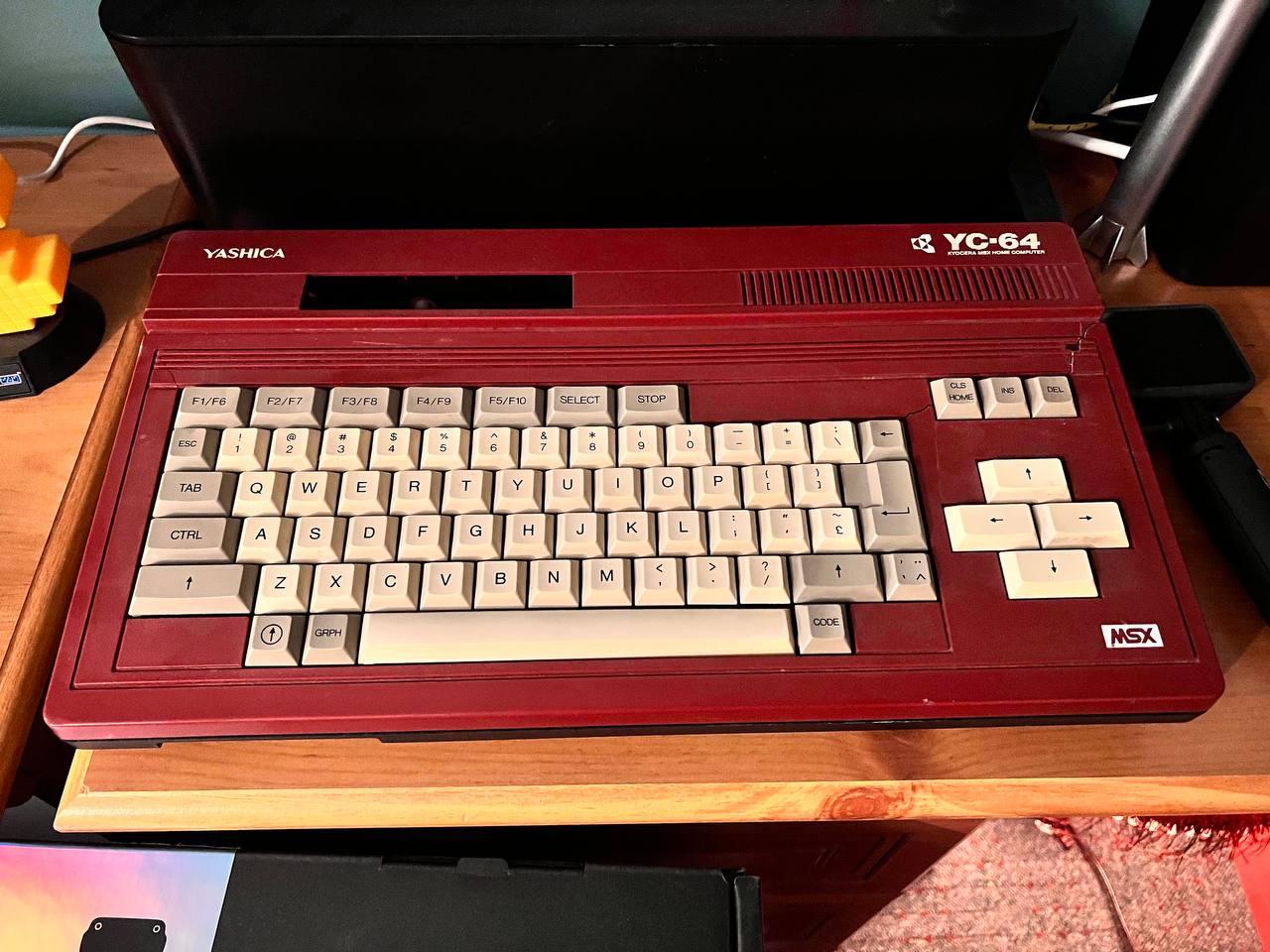
Despite the past four decades, which have gone by much too quickly for my liking, some fundamentals remain unchanged.
When we are faced with technological choices, many variables help determine which choices make sense.
The most conventional approach to technical analysis involves ranking each element of the specifications according to its degree of importance, then comparing the possible solutions in a table.
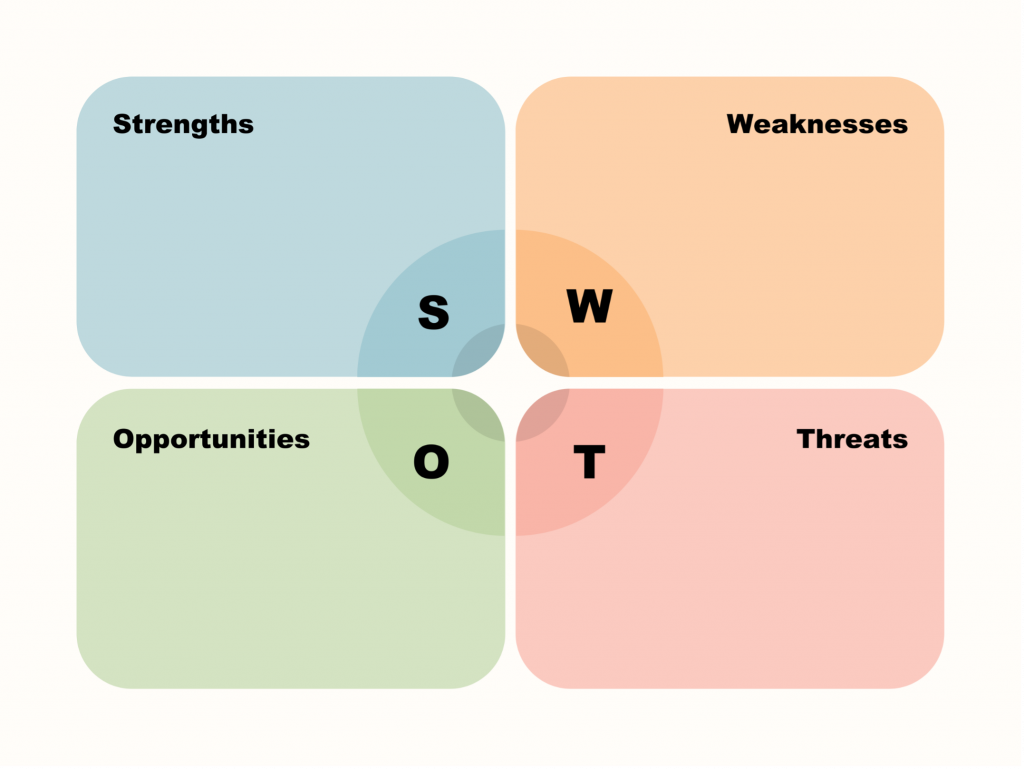
Once the front-runners have been selected, and unless (rarely) there is one clear winner, a follow-up analysis using a method such as SWOT (Strengths, weaknesses, opportunities, and threats) or equivalent determines the wisest choice for the project.
That is the theory… In practice, increasingly, the project lead has already made the choice, for good or bad reasons (kickbacks, incompetence, etc.), and the project is then made to fit the chosen solution.
The field of Tech in which this situation produces the worst results is that of cybersecurity: making a technological choice even though the corresponding security policy has not been written… is a form of information-security suicide, but that is another subject I will probably get a chance to discuss in a future post.
However, there is another very good reason to make one technological choice rather than another: that of vision. Remember that every time you make a choice, you contribute, on a microscopic scale, to something much bigger: writing part of the future.
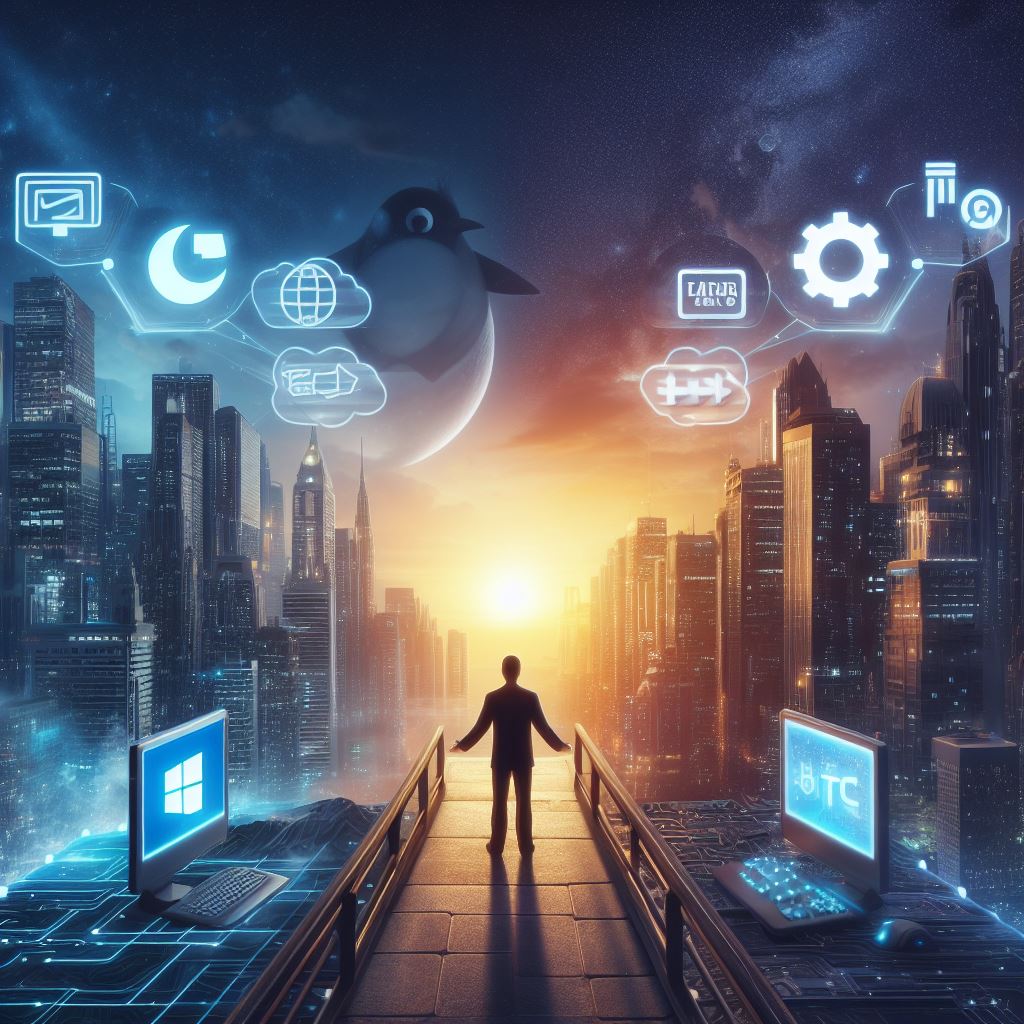
When you choose, whether it is an agonising dilemma or not: free software or proprietary software, a SaaS solution or an "on premise" implementation, VMs or containers; Gnome or KDE, Windows, Linux, MACOS, or BSD; VMWare, Nutanix, or Proxmox; or Visual studio, Sublime Text, emacs, or vim: you are indirectly exercising your right to vote to shape tomorrow’s technological world.
Not everyone, everywhere, gets to make that choice, at least professionally. Depending on your situation and authority, you will not always have that freedom, or you will only have it to a limited extent.
There is, however, a category of people entirely free of that constraint: entrepreneurs. As an entrepreneur, you are the captain of the ship, free to choose (at your own risk) what you want tomorrow’s Tech to look like.
When I created my first company, Digital Network, in 1999, I chose not to use a single piece of proprietary software in my business.

At that time, free software was nowhere near as mature as it is today. That choice inherently put me at a business disadvantage, for many reasons (a poor reputation with clients, being unable to read certain documents exchanged with them correctly or produce a particular format, etc.).
I made this choice because I wanted a world with more free software. I chose GNU/Linux over BSD (although I did build a few products and services on it), because the GPL licence better represented the values I wanted to promote.
Eight years ago, when I created ScalarX, I also had a vision of what I wanted tomorrow’s world to become. I will tell you about that another time.
So, of course, as an entrepreneur, my number 1 objective is to meet the needs of my clients. But one does not preclude the other. When a prospect or client brings me a project heading in a technical direction I want neither to promote nor to use: I recommend the company or providers I consider best suited to that approach.
In conclusion, when you are in a position to make a choice: even though meeting the need must come first, it is important to consider the vision: your company’s or your own, depending on your situation.
What do you want tomorrow’s Tech landscape to look like? Would you rather all infrastructure were concentrated within three megacorporations, or something more decentralized?
Do you want a single operating system and for everyone to use the same one, or something more chaotic, with more room for freedom and innovation?
Do you want to be the owner of your personal data and of your DNA, or let the State and the institutions decide what you can do with them?
But, we are all part of a story within which we all have choices to make, personally or professionally, that will each play their part in shaping tomorrow’s world.
I have made mine. Have you?
Christophe Casalegno / Brain 0verride
You can follow me on: Telegram | YouTube | Twitter | Facebook | LinkedIn | Twitch
Leave a comment
Add a comment